
Families Essential to Nepal Recovery, Rebuilding Efforts
By Cynthia Neil
The suspected glacial collapse and subsequent flooding in Nepal on August 26, 2026, has left more than one thousand people dead and many more reported missing. Harrowing tales of survival, and tragic images of flood waters sweeping away homes and lives, are sobering reminders of the risks posed by environmental disasters. Rescue and recovery efforts are ongoing, and scientists are still determining the causes of the catastrophe. Nepal is prone to flooding, but evidence suggests the disaster is partially due to the impacts of rising temperatures in the world’s high mountain ranges.
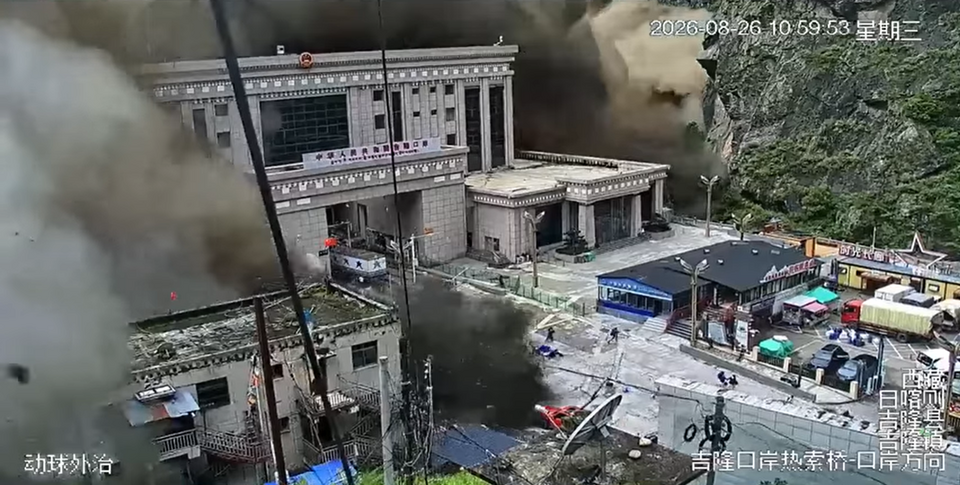
Terrible moment of disaster in Nepal
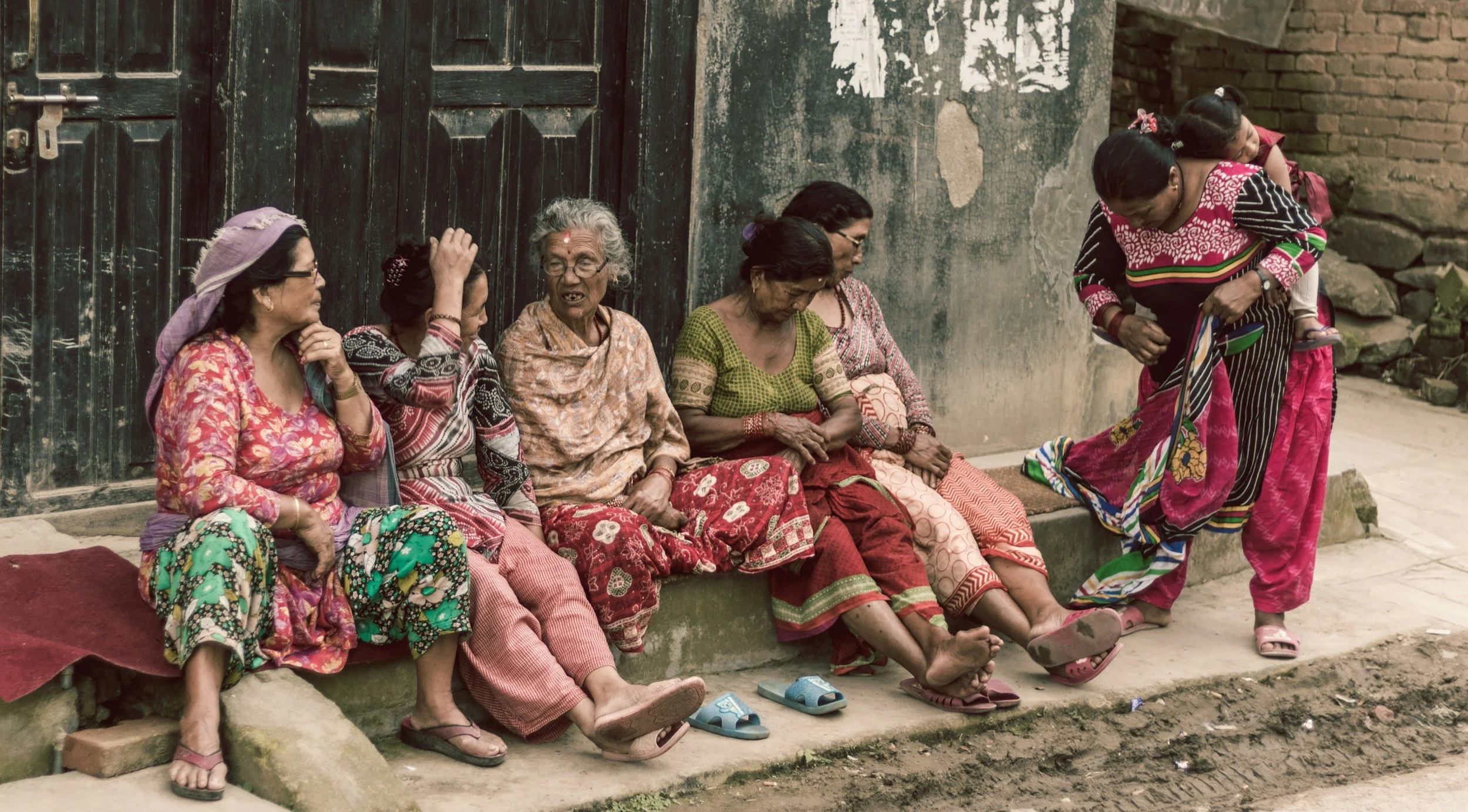
Whatever the cause, the immediate and long-term effect of the flooding on women and their families is negative and hard to mitigate. Citizens in every part of Nepal are suffering, and female-headed families are uniquely vulnerable to long-term harms from the glacier collapse. The United Nations estimates that more than 150,000 women are directly or indirectly affected by the flood.
One third of Nepal's families in the flood affected areas are headed by women, a number that has nearly tripled since the mid-1990s. Men seeking foreign employment leave wives and mothers to run households alone, according to the Nepal Living Standards Survey IV.
“One third of Nepal's families in the flood affected areas are headed by women, a number that has nearly tripled since the mid-1990s.”
Nearly twenty-five percent of Nepal's population lives below the national poverty line, and Nepali children often suffer from malnutrition and stunting. Poverty in Nepal is measurably deeper and more severe among female-headed households than male-headed ones, per the same national survey. Farming and agriculture are the primary occupation for more than half of Nepal's workforce, and it's estimated that over 60% of agricultural workers are women. In other words, planning will benefit by including specific focus on women’s roles in addressing post-flood recovery and rebuilding efforts.
Extreme flooding wipes out crops, kills livestock, threatens food security, and destroys livelihoods. Flood effects can negatively impact farming for more than a year. In the case of Nepal, additional glacier collapse is possible: a landslide-dammed barrier lake near the border breached just days after the initial disaster, briefly halting rescue efforts and underscoring how unstable the terrain remains. In addition to hunger and homelessness, female farmers may struggle to obtain financing to replant after a lost harvest. Nepali women hold legal title to only about 20% of farmland, and without land as collateral, formal credit is largely out of reach, creating further risk to the long-term stability of their families. This is another reason why recovery and rebuilding efforts can benefit by including the interests and perspectives of women and families.
Flood waters that washed away lives and homes also bring disease. Cholera and other waterborne illnesses pose a particular threat to children as damaged water systems and destroyed health posts strain sanitation across the flood zone. This places additional pressure on women by diverting their subsistence efforts to caregiving.
Large-scale rescue and recovery efforts are the responsibility of governments. Smaller, more personal efforts to rebuild homes and farms fall on families, often led by women in Nepal. International aid groups such as the Red Cross and World Central Kitchen can provide immediate health and safety services, and both are already on the scene. The Red Cross has launched a $31 million appeal, and World Central Kitchen is cooking meals in community kitchens in the hardest-hit districts. Longer-term support from existing programs at the United Nations, including the Food and Agriculture Organization's ongoing distribution of emergency food packages, veterinary supplies, and livestock disease prevention to flood-affected farming households can help family farms recover. However, impacts on agriculture extend beyond the current growing season. Aid in the form of grants, loans, and in-kind donations can help families replant crops and replace lost animals. Assistance may be needed to stabilize families through the second growing season following a major disaster, echoing FAO's post-flood recovery model in Nepal's Terai, where seed distribution and irrigation rehabilitation were sustained over more than one year to help households fully recover. To help women regain food security for their families, organizations should support development of farming practices that are adapted to meet increased risks from flooding in high mountain regions like Nepal, such as flood-tolerant seed varieties, hermetic grain storage, and irrigation systems that reduce dependence on any single growing season.
This is a first look at an emerging story, and the full scope of the damage to Nepal's rural women and their families will take months to understand. What is already clear is that durable recovery will depend less on emergency airlifts than on patient and sustained investment in tools such as land rights, credit access, and climate-adapted agriculture that help families rebuild and attain self-reliance.